Finding the Sound of a Film
Why the most important scoring decisions often happen before the first cue is written


by
Jesse Watt
Getting the tone right is one of the most important and elusive parts of scoring a film.
Before writing themes or mapping individual cues, I try to understand the film’s emotional centre. What does its world actually sound like? What can music reveal that the images cannot? And how can the score serve this particular story, rather than simply repeat something that has worked before?
Hans Zimmer describes a similar search:
“I really try, on each score, to…create a palette that…if possible, nobody else has used before.”
For Zimmer, that process involves experimentation: unusual combinations, unfamiliar playing techniques and asking musicians to create sounds beyond the instrument’s conventional role. It is less about beginning with a genre and more about building a sonic world that belongs specifically to the film. Hans Zimmer, Sound Palettes
Creating the sound of the polar bear
While scoring Trade Secret, I wanted to find a musical expression for the polar bear—not merely accompany its movement on screen.
I began experimenting with the cello, searching for ways to evoke the animal’s yelps, cries and screams. We used expressive portamento bends, allowing the pitch to slide between notes, alongside sul ponticello playing, where the bow moves close to the bridge.
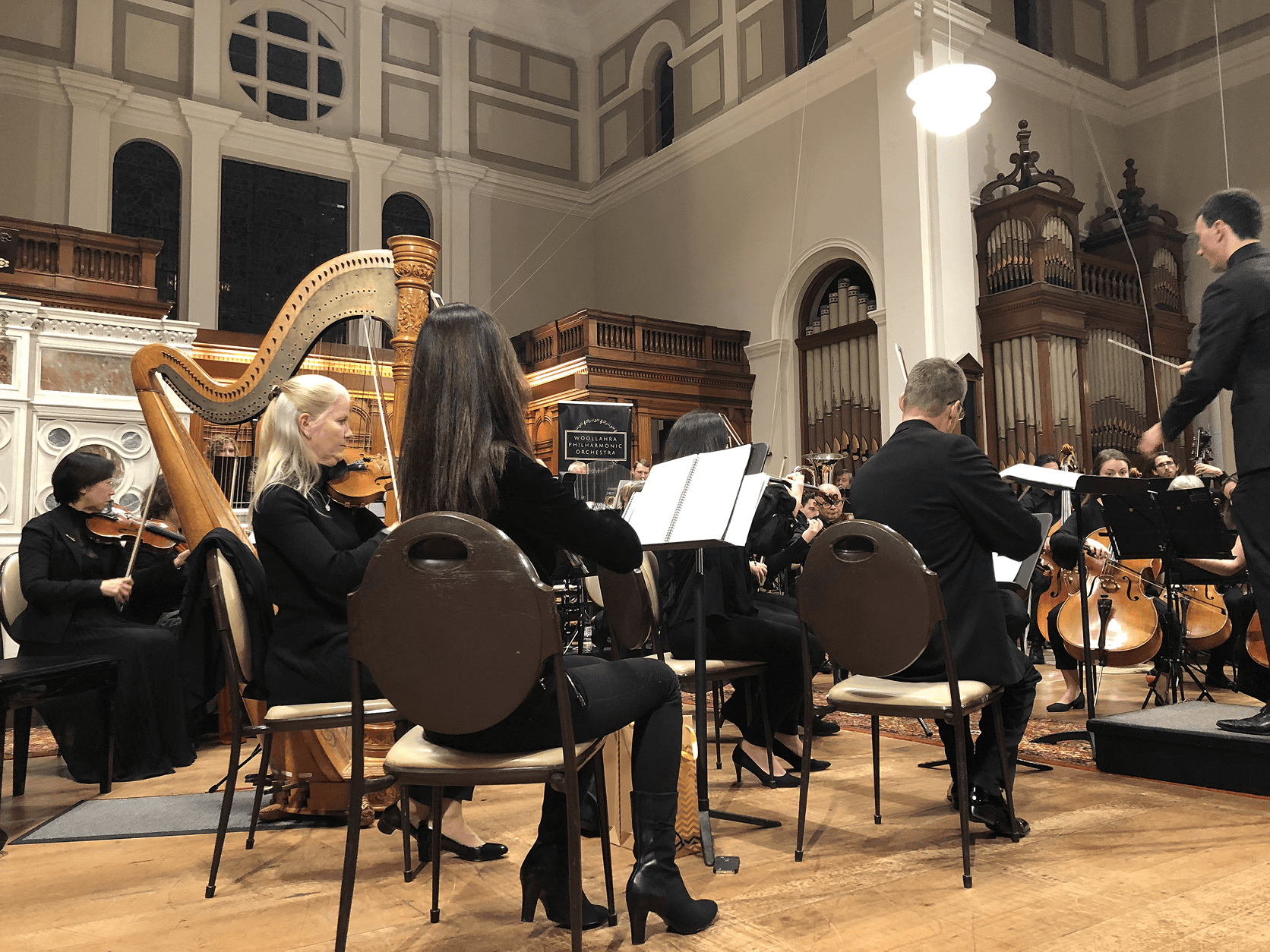
The combination produced a strained, scratchy and occasionally violent sound. At times, the cello felt less like a string instrument and more like an animal calling across the landscape.
That was the breakthrough.
The aim was not to imitate a polar bear literally. It was to find a sound that carried something of its physical weight, vulnerability and distress. The cello became the animal’s voice within the score.
Share the experiments early
These early ideas need to be communicated and shared.
I find it valuable to map out the experiments before developing the entire score: record the unusual textures, test contrasting instrument combinations and place them against the picture as early as possible.
The director does not need to hear a finished cue at this stage. What matters is establishing a shared understanding of the film’s emotional and sonic language.
Nicholas Britell describes this beautifully when discussing his work with director Adam McKay:
“What is the right tone, and how do we figure that out together?”
That word—together—is essential. Finding the tone is not simply the composer disappearing into a studio and returning with an answer. It is a conversation between the music, the director, the edit and the film itself. Nicholas Britell, The Art and Challenge of Each New Scoring Project
Some experiments will fail. Others may reveal an entirely unexpected direction. Sharing them early creates room for those discoveries before the score becomes too fixed.
Responding before prescribing
Hildur Guðnadóttir began composing Joker from the screenplay, before filming had taken place. Rather than waiting for the finished images, she responded instinctively to the story:
“I wrote everything based on the script.”
The resulting music influenced the atmosphere on set, the camera work and even Joaquin Phoenix’s physical performance. The score became part of the filmmaking process rather than something added after it. Hildur Guðnadóttir on creating a “wordless dialogue” for Joker
That is the value of beginning early. Music can help filmmakers discover what the film wants to become.
Giving the film what it needs
When developing a score, the central question should not be: What has been done before?
It should be: How can I give justice to this film and the message it carries?
For Trade Secret, that meant asking a cello to cry, bend and scrape—to reach beyond its familiar orchestral identity and become something rawer.
The right sound is not always beautiful in isolation. It might be fragile, uncomfortable or abrasive. But if it reveals something truthful about the film, then it has found its purpose.
That is where the real work of film scoring begins.


